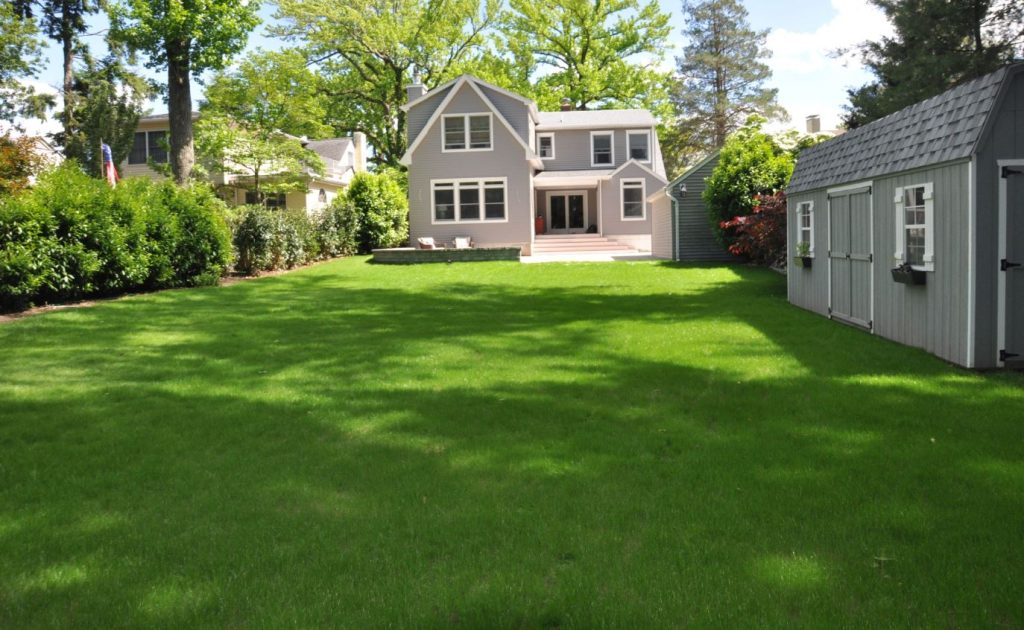
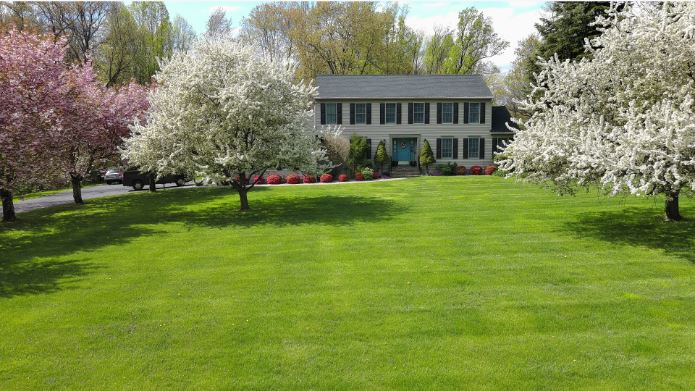
By late summer, many New Jersey lawns are showing the effects of heat, drought, heavy use, weeds, insects, compacted soil, and seasonal stress. Grass that looked healthy in spring may now appear thin, brown, patchy, or uneven.
For homeowners wondering whether the lawn can be repaired—or whether they should wait until next spring—late summer often provides an excellent opportunity to begin a lawn renovation.
The key is understanding what the lawn needs, preparing the soil correctly, and completing the work at the right point in the growing season. Simply spreading grass seed over damaged areas may produce disappointing results if the underlying problems are not addressed first.
Why Late Summer Can Be an Ideal Time to Fix a Lawn
In northern and central New Jersey, many lawns are made up of cool-season grasses such as turf-type tall fescue, Kentucky bluegrass, and perennial ryegrass. These grasses generally perform best when temperatures are moderate, and the soil retains consistent moisture.
Late summer leads directly into the early fall growing season, when cooler nights and more favorable soil conditions can support seed germination and root development.
Renovating during this period offers several potential advantages:
- The extreme heat of midsummer is beginning to subside.
- Soil temperatures remain warm enough for seed germination.
- Cooler air temperatures reduce stress on new grass.
- Many aggressive summer weeds begin to slow down.
- Young grass has time to develop before winter.
- Established turf can begin the following spring with a stronger root system.
This combination makes late summer and early fall one of the most productive lawn renovation periods of the year.
However, timing alone does not guarantee success. A lawn renovation should begin with an honest evaluation of why the lawn declined.
Does Your Lawn Need Renovation or Complete Replacement?
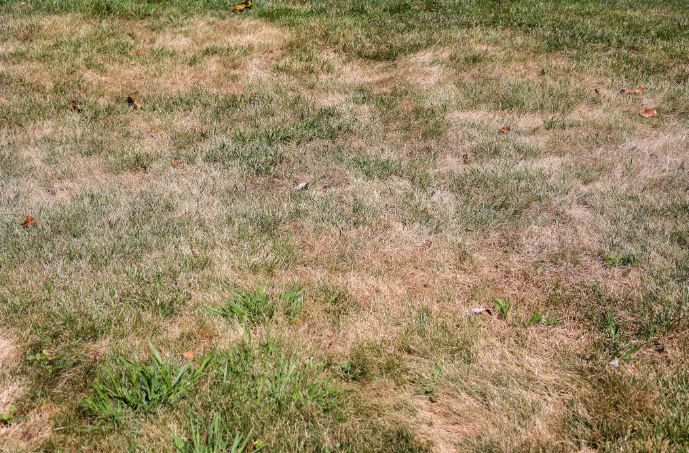
Not every struggling lawn requires a complete reset.
A lawn with generally healthy grass and several thin or bare areas may respond well to overseeding, aeration, soil improvement, and targeted repairs. A lawn that is mostly weeds, severely compacted, poorly graded, or extensively damaged may require more substantial renovation.
Common signs that a lawn may benefit from professional renovation include:
- Thin grass or visible bare soil
- Widespread brown or dead patches
- Excessive weeds
- Hard, compacted ground
- Water pooling after storms
- Soil erosion or exposed roots
- Uneven lawn surfaces
- Heavy thatch buildup
- Poor grass growth despite regular watering
- Damage caused by pets, construction, insects, or disease
The extent of the damage should guide the solution. Overseeding may be appropriate when a large percentage of the existing lawn is still healthy. More extensive soil preparation, grading, or sod installation may be necessary when the lawn has deeper structural problems.
What Is Overseeding?
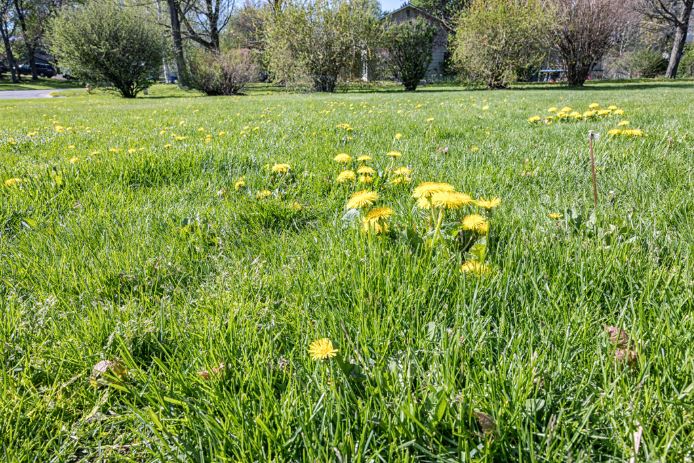
Overseeding is the process of planting new grass seed into an existing lawn. It can help fill thin areas, improve turf density, introduce stronger grass varieties, and make it more difficult for weeds to take hold.
It is one of the most common components of late-summer lawn renovation.
However, grass seed needs direct contact with properly prepared soil. Seed scattered over dense thatch, compacted ground, or an untreated weed problem may never establish successfully.
For better results, overseeding is often combined with core aeration or mechanical soil preparation. These services create openings in the lawn, reduce compaction, and help seed reach the soil rather than remaining trapped on top of existing grass or debris.
Soil Preparation Is the Foundation of Lawn Renovation
Healthy grass begins below the surface.
Before renovating the lawn, it is important to evaluate soil conditions. Poor soil can restrict root development, prevent water from soaking into the ground, and limit the availability of nutrients.
A successful renovation may include:
- Removing dead grass, weeds, and excess thatch
- Loosening compacted soil
- Adding quality topsoil where needed
- Correcting low or uneven areas
- Improving soil organic matter
- Testing and adjusting soil pH
- Applying starter fertilizer based on actual conditions
- Preparing a smooth seedbed
New grass seedlings are vulnerable. They need reliable contact with the soil, consistent moisture, and enough loose soil to establish roots. Investing in proper preparation can make the difference between temporary improvement and a lawn that becomes healthier each year.
How Core Aeration Helps a Tired Lawn
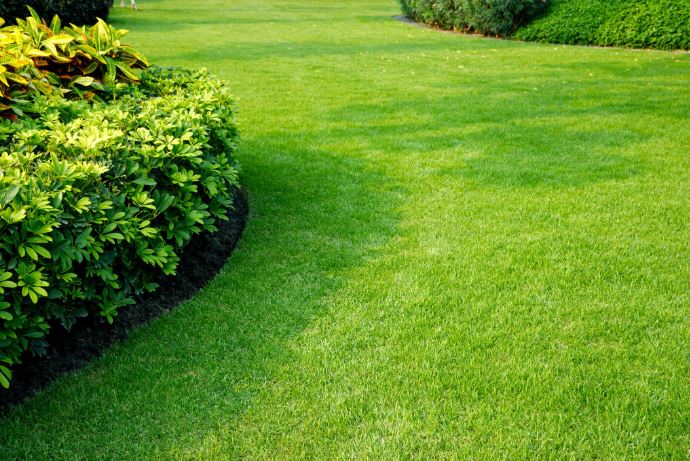
Core aeration removes small plugs of soil from the lawn. This relieves compaction and creates pathways for air, water, nutrients, and seed to enter the root zone.
Compaction is especially common in lawns with heavy foot traffic, active children, pets, outdoor entertaining areas, or dense clay soil. It can also develop in areas traveled by landscaping or construction equipment.
When soil becomes compacted, grass roots may remain shallow because they cannot easily penetrate the ground. Rainwater may run across the surface instead of being absorbed, and fertilizer may be less effective.
Aeration can improve growing conditions, but it is not a substitute for correcting severe grading or drainage problems. It is one tool within a complete lawn renovation plan.
Drainage Problems Should Be Addressed Before New Grass Is Installed
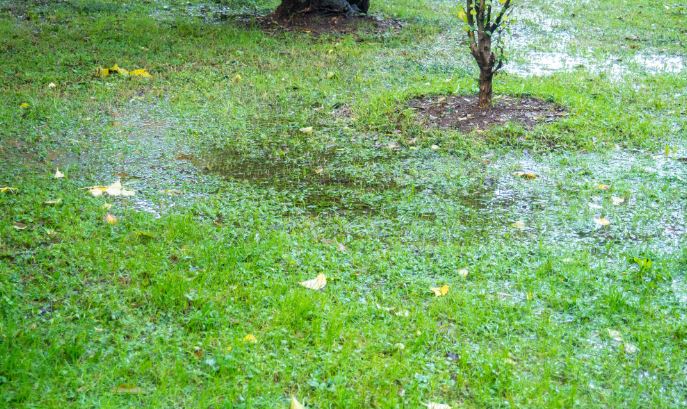
Drainage should support a lawn renovation—not become an afterthought once new seed or sod has already been installed.
If sections of the lawn remain wet long after rainfall, repeatedly wash out, or develop standing water, grass may continue to fail regardless of how often those areas are reseeded.
Poor drainage may be related to:
- Low areas in the lawn
- Improper grading
- Compacted soil
- Heavy clay conditions
- Downspouts discharging into planting or lawn areas
- Runoff from patios, driveways, or neighboring properties
- Changes caused by construction or landscape improvements
Minor drainage problems may be improved through soil preparation and surface corrections. More serious conditions may require regrading, drainage piping, catch basins, dry wells, swales, or other site-specific solutions.
The objective is not simply to remove water as quickly as possible. Water should be managed responsibly, directed away from vulnerable areas, and handled in a way that supports the entire property.
Correcting the source of the problem before renovating the lawn helps protect the investment in new turf.
Seed or Sod: Which Is Better?
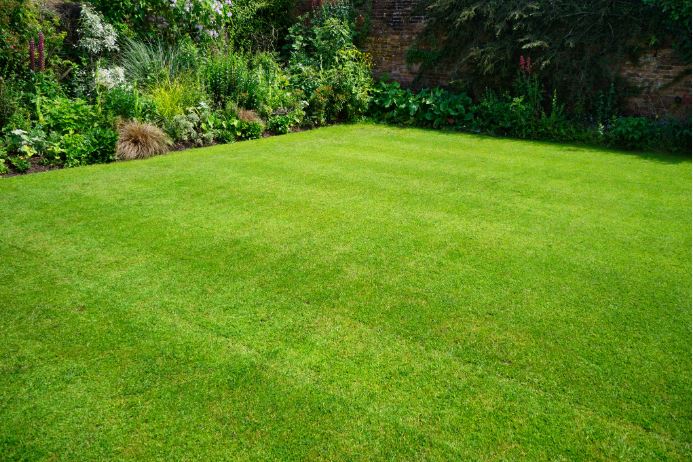
Both seed and sod can create a healthy lawn, but they serve different needs.
Grass Seed
Seeding is typically more economical and provides access to a wide selection of turf varieties. It works well when the soil can be prepared properly and the homeowner is able to follow a consistent watering schedule.
Seed requires time to germinate and mature. Newly seeded areas must also be protected from heavy foot traffic, pets, erosion, and drying out.
Sod
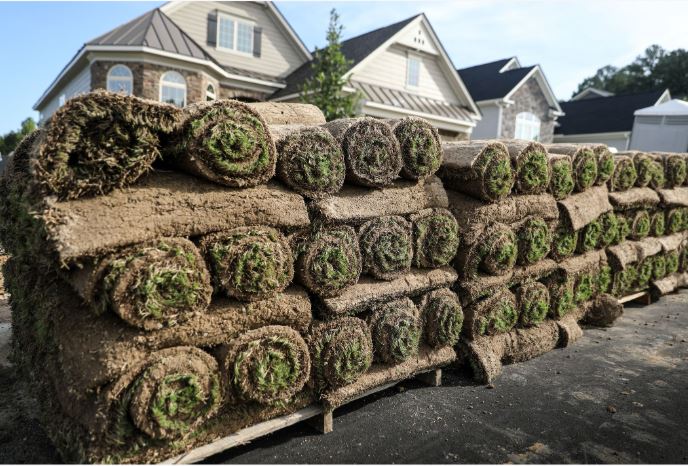
Sod provides an immediate green surface and can be useful for severely damaged lawns, highly visible areas, erosion-prone slopes, or projects that require faster establishment.
Although sod produces a more finished appearance right away, it still requires proper soil preparation and careful watering. Sod installed over compacted, poorly graded, or unhealthy soil may develop problems later.
The best choice depends on the property, budget, condition of the existing lawn, project timeline, and level of damage.
Watering Is Critical After Lawn Renovation
New grass seed must remain consistently moist during germination. That usually requires light, frequent watering rather than occasional deep watering during the earliest stage.
As the grass begins to grow and develop roots, the watering schedule can gradually shift toward deeper and less frequent irrigation.
The goal is to keep the seedbed moist without creating puddles, runoff, or erosion. Too little water can cause young seedlings to dry out. Too much water can move seed, encourage disease, and prevent proper root development.
Homeowners should receive clear watering instructions based on the type of seed, sun exposure, weather, soil conditions, and irrigation system.
Avoid Waiting Until Spring to Address Every Lawn Problem
Spring may seem like the natural time to repair a lawn, but it can present several challenges. Young grass may have limited time to establish before summer heat arrives, and spring weed-control treatments may interfere with grass seed germination.
A lawn renovated in late summer or early fall has an opportunity to develop during favorable weather, rest through winter, and continue growing the following spring.
That does not mean every lawn should automatically be renovated in August. The project must be scheduled with enough time for the grass to establish before cold weather, and the property’s specific conditions must be considered.
Waiting too long into fall can reduce germination and root development. Starting too early during intense heat can make watering and establishment more difficult. Professional timing matters.
Plan the Renovation Around the Entire Property
A lawn should not be treated as an isolated surface.
Before beginning, consider whether other landscape work is planned. Professional landscape design can help coordinate planting beds, patios, drainage improvements, tree removal, outdoor lighting, and utility work so the renovation is planned as part of the entire property.
Completing disruptive construction and site work first can prevent unnecessary damage and duplicated costs.
The lawn renovation can then become the finishing stage of a coordinated landscape improvement plan, helping tie together the planting areas, hardscape, drainage, and overall appearance of the property.
Start With an Evaluation, Not Just a Bag of Seed
Late summer can be one of the best times to fix a damaged or declining lawn, but the most successful projects begin by identifying the reasons the grass is struggling.
The right solution may include overseeding, aeration, topsoil, grading corrections, soil amendments, drainage improvements, sod, or a combination of services.
Landscape Solutions helps homeowners evaluate lawn conditions and develop renovation plans based on the needs of the property—not a one-size-fits-all treatment.
If your lawn is thin, patchy, uneven, or showing the effects of summer stress, now is the time to begin planning. Contact Landscape Solutions to schedule a lawn and property evaluation and determine the best approach for creating healthier, more attractive turf this fall.