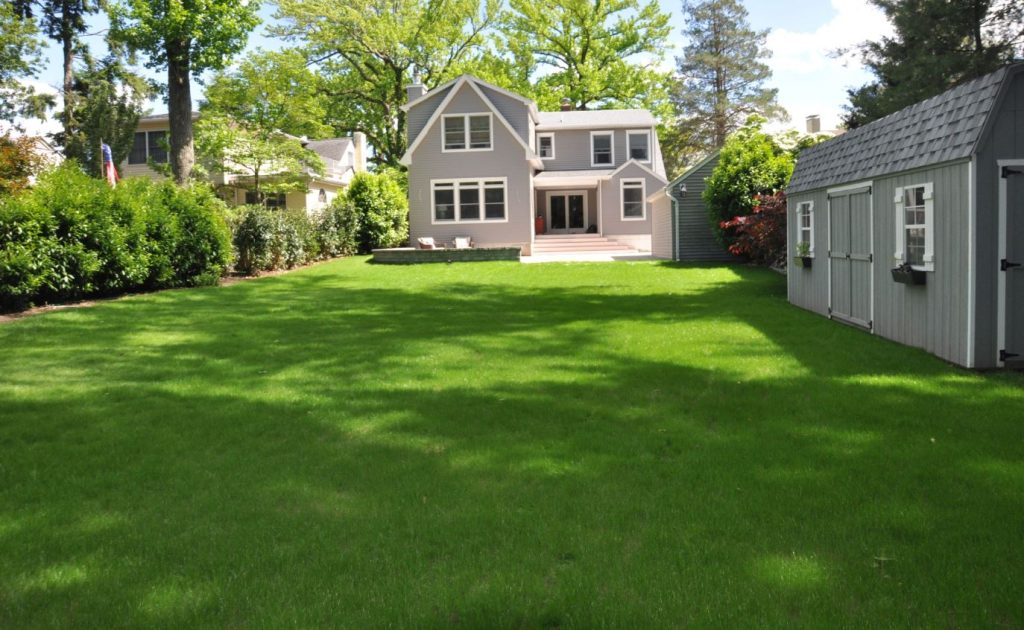
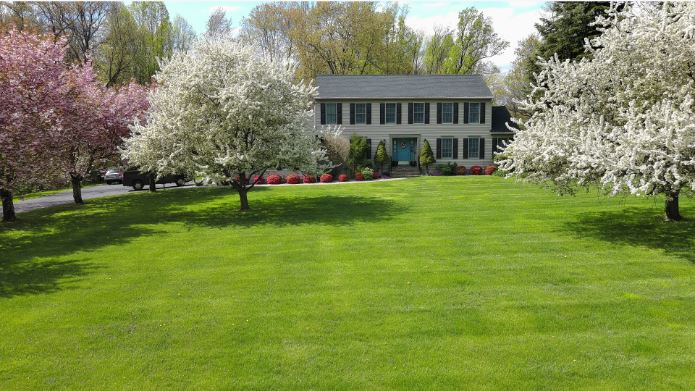
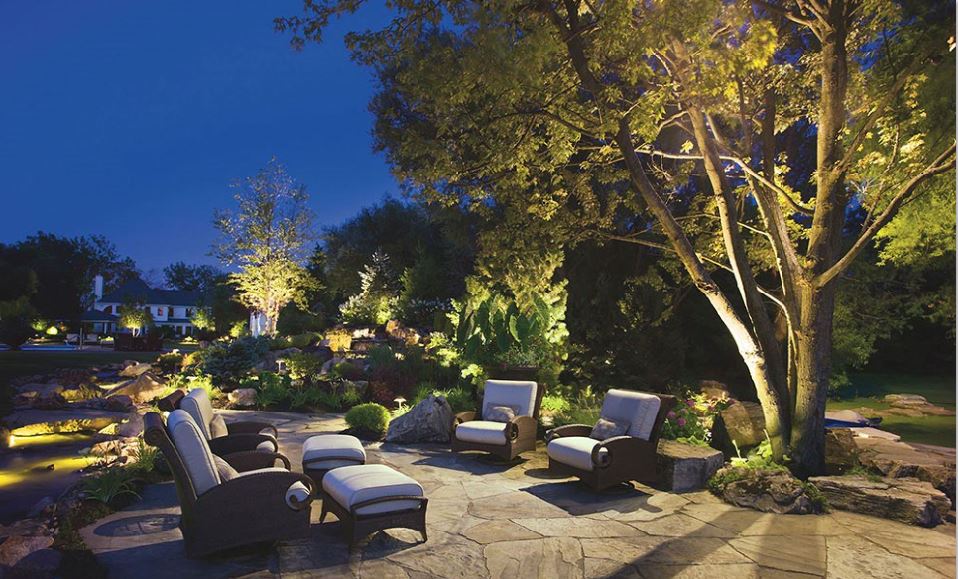
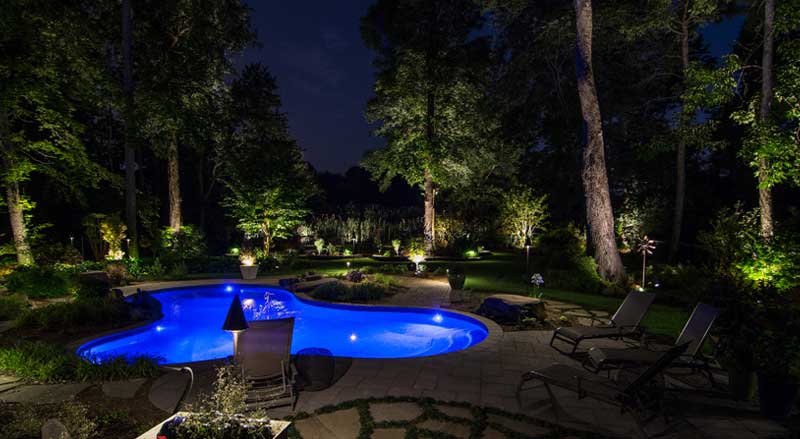
August is one of the best times to take a hard look at your property. By late summer, lawns have been tested by heat, heavy rain, foot traffic, and irrigation. Drainage problems are easier to spot. Low areas stay wet. Slopes may show erosion. Plant beds can look tired or overgrown. Hardscape areas may reveal settlement, washout, or runoff patterns that were less obvious earlier in the season.
For New Jersey homeowners and property managers, late summer is an opportunity to correct landscape problems before fall and prepare the property for stronger performance next year. Professional landscape maintenance, drainage and grading work can help protect lawns, plantings, walkways, patios and other outdoor improvements while making the entire property easier to manage.
Why August Is a Smart Time for a Landscape Checkup
A landscape can look healthy at first glance and still have underlying problems. August often reveals them.
After weeks of summer weather, you may notice areas where grass thins out, water collects after storms, mulch washes away, soil erodes, or planting beds remain too wet or too dry. These are not always isolated issues. Lawn health, landscape drainage, and grading are often connected.
Watch for Signs of Landscape Drainage Problems
Water should move away from buildings and usable outdoor areas without creating erosion or persistent wet spots. Warning signs include standing water after rain, chronically wet lawn areas, washed-out mulch, soil erosion, water collecting near foundations, runoff crossing patios or walkways, and grass that repeatedly struggles in the same low spots.
Professional landscape drainage solutions begin with understanding how water enters, moves through, and leaves the property. Depending on the site, the answer may involve correcting grade, redirecting runoff, improving drainage pathways, or combining several approaches.
Drainage should be treated as part of the overall landscape rather than as an isolated repair. A well-planned solution should work with the lawn, planting beds, masonry, and the natural elevations of the property.
Landscape Grading Is the Foundation of Good Drainage
Landscape grading means shaping soil and elevations so water moves in a controlled direction. When the grade is wrong, even an attractive property can develop recurring drainage trouble. Water may flow toward the house, collect in low areas, cut channels through beds or undermine hardscape edges.
If you see the same wet areas, erosion patterns, or runoff problems after every major rain, it may be time to have the property evaluated rather than continuing to patch the damage.
Late-Summer Landscape Maintenance Protects Your Investment
August is also an ideal time to evaluate the lawn and planting areas.
Heat stress, weeds, compacted soil, inconsistent watering, and summer traffic can all leave visible signs by late season. Good landscape maintenance is not simply about keeping the grass cut. It is about identifying what the property needs now and what should be planned for fall.
That may include cleaning up damaged plant material, addressing overgrowth, correcting problem lawn areas, evaluating irrigation patterns and preparing for fall landscape work. A professional landscape company can also help determine whether a struggling area is truly a maintenance problem or whether drainage, soil conditions or grading are contributing to it.
Hardscaping and Landscape Masonry Can Affect Water Flow
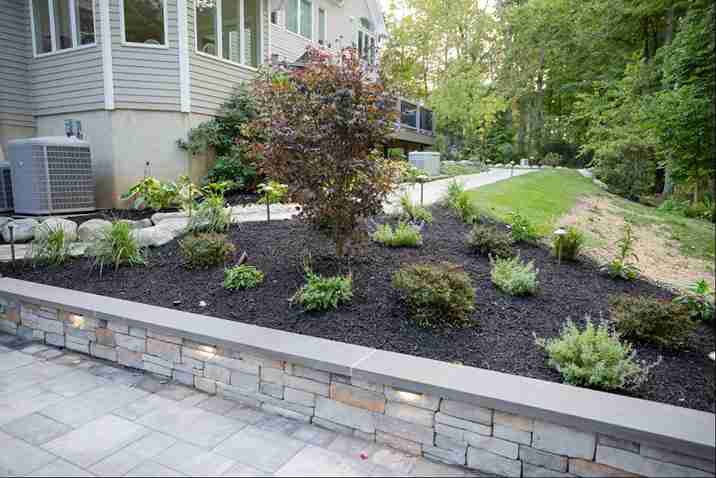
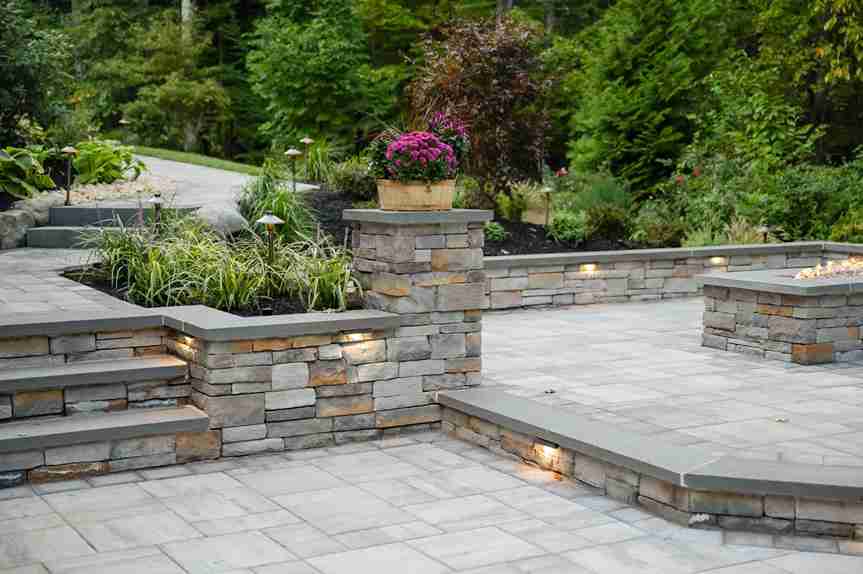
Patios, walkways, retaining walls and other masonry features also influence drainage.
Water moving across or around hardscape should be considered during design and installation. If surrounding grades change, soil settles or runoff patterns develop over time, water can begin collecting where it should not.
This is why drainage, grading, landscaping and masonry are best considered together. A retaining wall, walkway or patio should not only look good; it should fit properly into the surrounding elevations and water-management plan.
If you are considering a hardscape project this fall, evaluating drainage before construction can help avoid solving water problems after the project is complete.
Plan Fall Landscaping Before the Rush
Late summer is a good time to start planning the next phase of your property. Maybe the lawn needs renovation. Maybe drainage should be corrected before new planting goes in. Maybe a worn patio or retaining wall is ready for replacement. Or perhaps the goal is a more complete backyard landscape plan.
Looking at the property as a whole helps establish the right order of work. It makes little sense to renovate a lawn before fixing a drainage problem that keeps the same area saturated. Likewise, new planting or masonry should be planned with the finished grade and runoff pattern in mind.
The best landscaping services do more than complete individual tasks. They help coordinate the parts of the property so the finished landscape functions as one system.
When Should You Call a Professional Landscape Company?
Consider contacting a professional landscape company if you have recurring standing water, erosion, failing lawn areas, runoff near the house, settling around patios or walkways, retaining wall concerns, or several landscape projects that need to be coordinated.
An experienced landscape contractor can evaluate the property, identify priorities, and recommend a practical sequence of improvements.
Frequently Asked Questions About Drainage, Grading and Landscape Maintenance
What is the difference between landscape drainage and grading?
Grading shapes the land so water moves in the intended direction. Drainage refers to the broader methods used to manage and redirect water. In many properties, the two work together.
How do I know if my yard needs grading?
Repeated puddles, water flowing toward the house, erosion, and low areas that remain soggy can indicate a grading problem. A site evaluation can determine whether grade is the cause.
Can drainage problems damage a lawn?
Yes. Excess water can create conditions where turf struggles and grass thins out. Solving the water problem may be necessary before lawn repairs will hold.
Should drainage be addressed before new landscaping?
In most cases, yes. Correcting drainage and grade first helps protect new lawns, planting beds, and hardscape improvements.
Is August too late to improve my landscape?
No. August is a useful planning month because summer conditions have exposed many of the property’s weak points and there is still time to organize fall improvements.
Build a Better Landscape from the Ground Up
A beautiful landscape depends on more than plants and curb appeal. It depends on how the property handles water, how the grade works, how the lawn is maintained, and how hardscape elements fit into the overall plan.
If your property has drainage problems, grading concerns, tired lawn areas, or landscape improvements you want to tackle this fall, Landscape Solutions can help determine the right next step.
Landscape Solutions provides professional landscaping services in Union, NJ and surrounding New Jersey communities. Contact our team to schedule a property evaluation and start planning a healthier, better-performing landscape.