As winter fades and temperatures begin to rise across New Jersey, homeowners start thinking about their outdoor spaces again. March is the turning point — the moment when lawns, gardens, and landscapes begin waking up from winter dormancy. It’s also when searches spike for phrases like “spring landscaping checklist,” “lawn and garden prep,” and “what landscaping should I do first?”
The reality is that successful landscapes don’t happen by accident. The best results come from early planning and the right sequence of work. Tackling the right tasks first can dramatically improve how your lawn, plants, and outdoor spaces perform throughout the entire growing season.
Whether you’re preparing your property yourself or working with a professional landscape contractor, this spring landscaping checklist will help you start the season the right way.
1. Begin with a Full Property Cleanup
The first step in any early spring landscaping plan is a thorough cleanup. Winter storms, fallen branches, salt exposure, and heavy snow often leave behind debris that can prevent healthy growth.
A spring cleanup typically includes:
Removing leaves and branches from lawn areas
Clearing garden beds of winter debris
Cutting back dead perennial growth
Removing damaged plant material
Cleaning out drainage areas
Preparing beds for fresh mulch
Clearing debris early allows sunlight and air to reach the soil, which helps lawns and plants recover faster as temperatures rise.
For many homeowners in New Jersey, winter also leaves behind compacted soil and matted grass, which can block healthy growth if not addressed early.
2. Inspect Your Landscape for Winter Damage
Winter weather can take a subtle toll on landscapes. March is the perfect time to walk your property and evaluate what needs attention.
Common issues that appear after winter include:
Broken or split tree branches
Frost heaving in planting beds
Salt damage near driveways and sidewalks
Standing water caused by poor drainage
Hardscape shifting or settling
Lawn thinning or bare patches
Identifying these issues early allows for timely repairs before spring growth accelerates.
Drainage concerns are particularly common in New Jersey properties, where snowmelt and spring rains can expose grading issues that may not have been obvious during colder months.
3. Prepare Garden Beds for the Growing Season
Once cleanup is complete, attention should turn to garden beds and planting areas.
Proper bed preparation improves soil health and ensures plants establish successfully throughout the season.
Spring bed preparation may include:
Edging beds to redefine clean lines
Removing weeds before they spread
Loosening compacted soil
Adding fresh organic matter or compost
Applying a fresh layer of mulch
Mulch is one of the most valuable materials in landscaping because it helps retain soil moisture, regulate temperature, and suppress weeds. Fresh mulch also gives landscapes an immediate visual refresh after winter.
Professionally maintained properties often receive new mulch in early to mid-spring, once temperatures stabilize.
4. Evaluate Lawn Health and Plan Lawn Renovation
Your lawn may look dormant in March, but what you do now determines how it performs through summer.
If your lawn struggled last year with thinning, weeds, or patchy growth, spring renovation can dramatically improve results.
A healthy lawn depends on strong root development, which begins early in the growing season. Addressing soil health and turf density now gives grass the advantage it needs before summer heat arrives.
While some planting may wait until soil temperatures rise, planning ahead ensures the best plant selections and design decisions.
Landscape improvements to consider during early spring include:
Adding flowering shrubs for seasonal color
Installing ornamental trees for structure and shade
Updating foundation plantings
Creating new garden beds
Expanding privacy plantings
Introducing pollinator-friendly plants
Thoughtful plant selection is especially important in New Jersey, where seasonal weather swings require durable plant varieties that can tolerate both heat and cold.
Professional landscape designers often help homeowners create plantings that provide year-round visual interest, combining evergreen structure with seasonal blooms and fall color.
6. Check Drainage and Water Flow
Spring rain can quickly reveal whether your landscape drains properly.
Standing water, soggy lawns, or pooling near foundations may indicate drainage issues that should be corrected before they worsen.
Proper water management also prevents lawn disease, root rot, and erosion — all of which can develop when water remains trapped in the soil.
7. Refresh Outdoor Lighting Systems
Outdoor lighting is often overlooked in winter, but early spring is the ideal time to inspect and upgrade lighting systems.
Landscape lighting enhances both safety and visual appeal, especially during the longer evenings of spring and summer.
Spring lighting maintenance may include:
Repositioning fixtures covered by winter debris
Replacing burned-out bulbs
Adjusting beam angles for new plant growth
Cleaning lenses for brighter illumination
Upgrading to energy-efficient LED systems
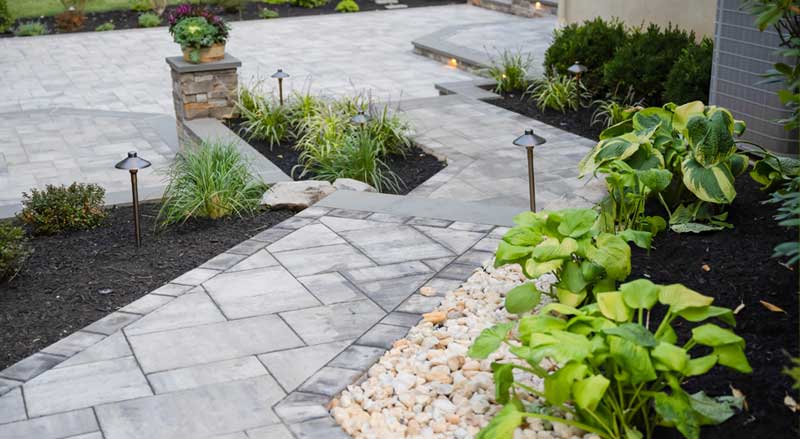
Strategic lighting highlights architectural features, walkways, and landscape focal points while improving nighttime usability of outdoor spaces.
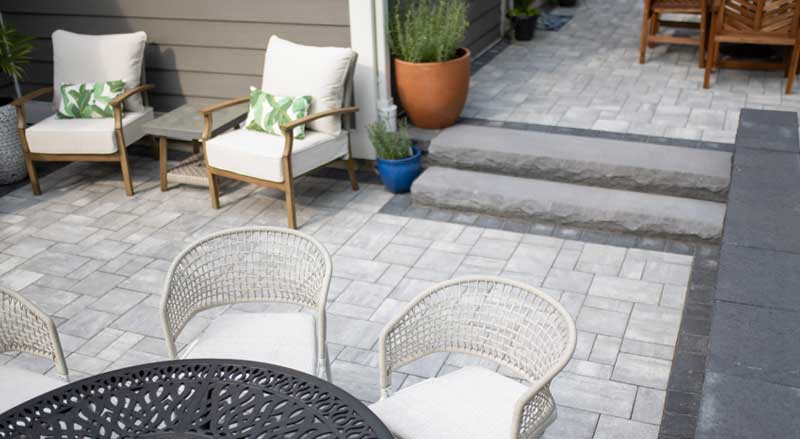
8. Evaluate Hardscaping and Outdoor Living Areas
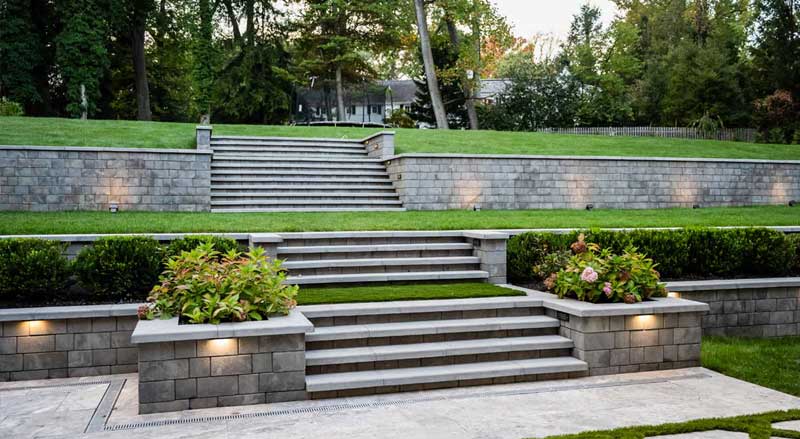
Patios, walkways, and retaining walls are important components of outdoor spaces, but winter weather can cause subtle shifts.
Spring inspection should include checking for:
Loose pavers or stones
Cracked joints
Surface settling
Drainage around hardscapes
Moss or algae buildup
Addressing small issues early prevents more expensive repairs later.
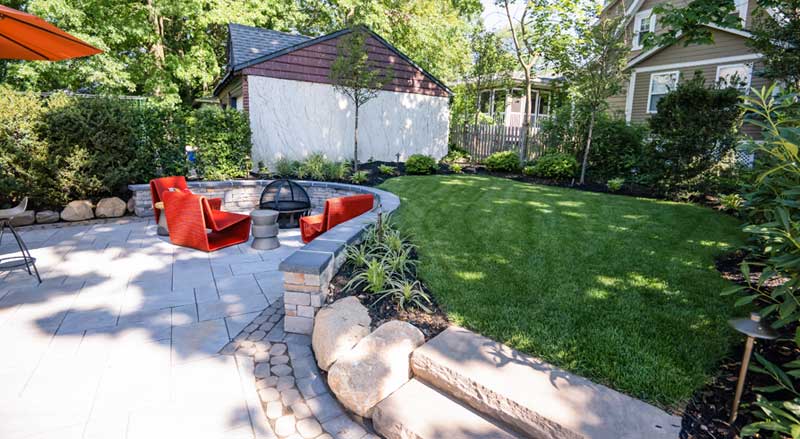
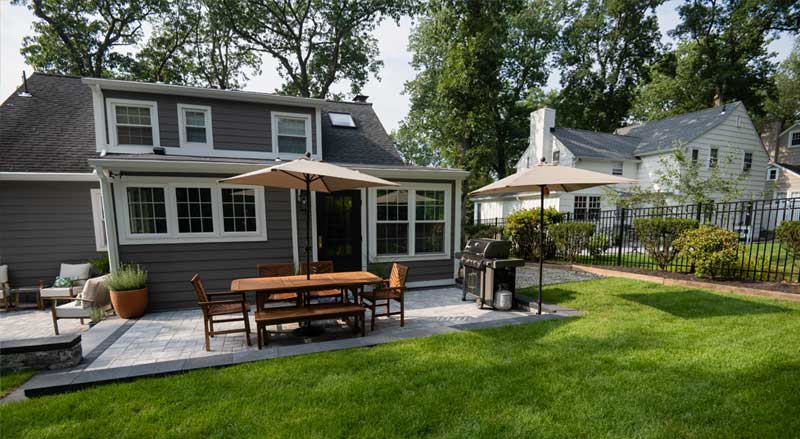
For homeowners considering outdoor improvements such as new patios, walkways, or seating areas, March is also an excellent time to begin planning projects so that installation can occur later in the spring or early summer.
9. Create a Seasonal Landscape Plan
Rather than tackling landscaping tasks randomly, successful properties follow a seasonal plan.
A well-organized spring landscaping strategy includes:
Cleanup and debris removal
Soil and bed preparation
Lawn health evaluation
Drainage assessment
Planting and design improvements
Lighting and hardscape inspection
This sequence ensures that foundational issues — such as soil quality and drainage — are addressed before aesthetic improvements are installed.
The result is a landscape that performs better, grows stronger, and requires less corrective work throughout the year.
Why Early Spring Landscaping Matters
Starting your landscaping efforts in March provides several advantages.
First, early preparation allows plants and turf to establish during the prime growing season. Second, it ensures that issues such as drainage or soil health are corrected before they affect plant growth.
Finally, early spring planning allows homeowners to secure professional landscape services before peak demand arrives.
Many landscaping companies experience heavy scheduling demand in April and May, which means early planning can lead to faster project timelines and more thoughtful design work.
A Strong Start Leads to a Beautiful Season
Spring landscaping is about more than just making your yard look good after winter. It’s about laying the foundation for a healthy, vibrant outdoor space that will thrive year-round.
By following a thoughtful spring landscaping checklist, homeowners can prepare lawns, gardens, and outdoor living areas for months of enjoyment.
From cleanup and lawn preparation to planting, lighting, and drainage improvements, the steps you take in March determine how your landscape performs through summer and beyond.
Start the Season with a Professional Landscape Plan
If your property could benefit from expert guidance, the team at Landscape Solutions works with homeowners throughout New Jersey to create landscapes that are both beautiful and functional.
From seasonal cleanups and lawn renovations to planting design, drainage solutions, and outdoor living enhancements, professional planning ensures your landscape performs at its best year-round.
Spring is the season of renewal — and the perfect time to give your landscape the attention it deserves.