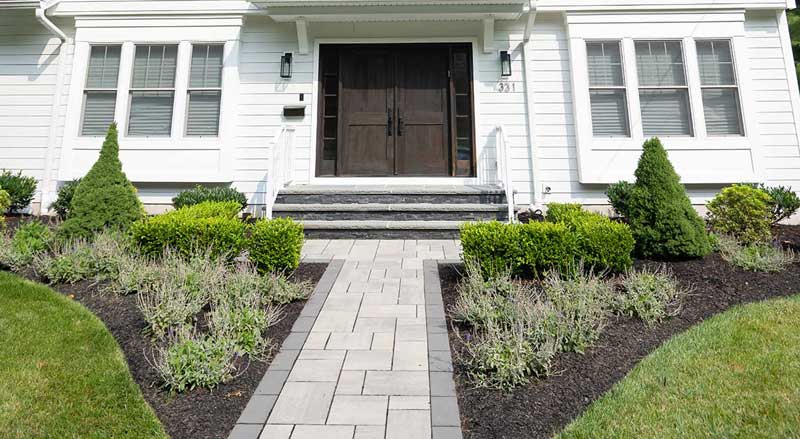
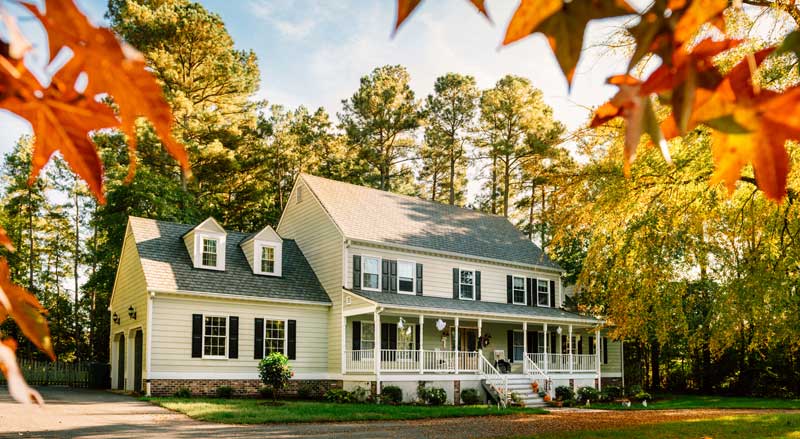
Homeowners in many of the towns we work in — Livingston, Short Hills, Chatham, Summit, and Westfield — take great pride in their properties — and for good reason. These communities are known for beautiful neighborhoods, mature trees, and thoughtful landscape design standards that protect property values and preserve the character of each town.
So, when it’s time to start a new landscape project — whether you’re installing a patio, walkway, outdoor kitchen, retaining wall, fence, drainage system, or even completing major grading or tree work— proper planning and permit compliance are essential.
Unfortunately, many homeowners underestimate how early permits come into play. What feels like a simple improvement can trigger multiple layers of municipal review, zoning requirements, engineering considerations, or even HOA regulations.
A trusted landscape partner not only designs and builds beautifully — they help you navigate the entire process before a shovel ever hits the ground.
Why Permits Matter More in These High-Standard Communities
Towns like Livingston, Short Hills (Millburn Township), Chatham, Summit, Westfield, and others maintain strict landscape and property guidelines aimed at:
Protecting neighborhood aesthetics
Preventing drainage or runoff issues
Preserving mature trees
Ensuring structural safety for outdoor installations
Managing impervious coverage and stormwater impact
Maintaining property value and community consistency
This means even minor improvements can require municipal review before work can begin.
Common Landscape Projects That Often Require Permits
While requirements vary by township, many projects shared by homeowners in these upscale neighborhoods fall under permit or zoning oversight.
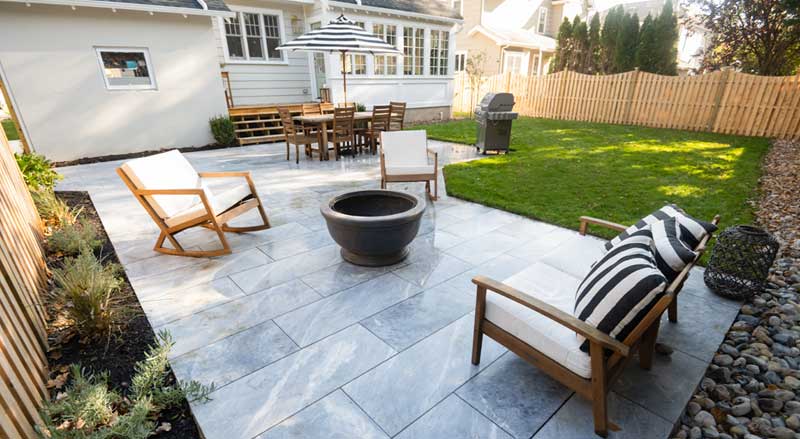
1. Patio & Walkway Installations
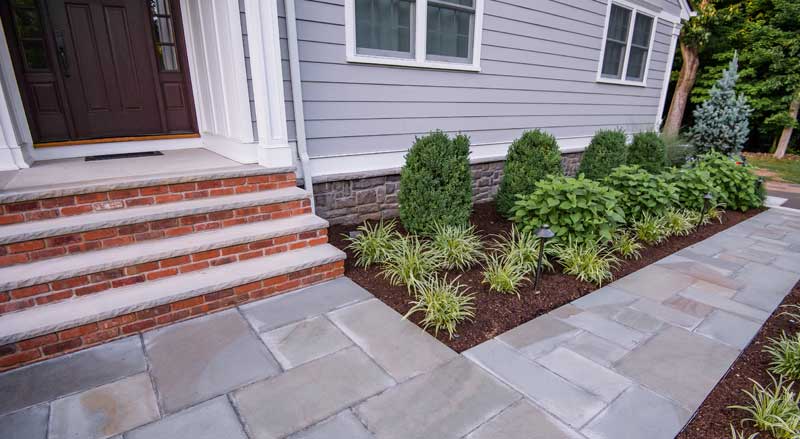
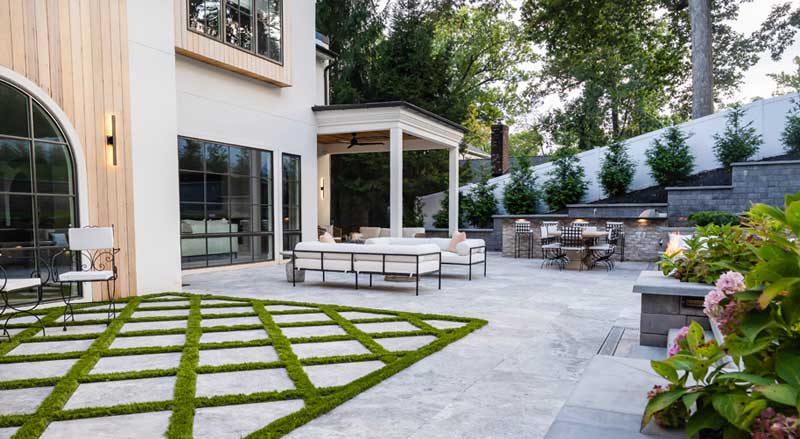
Most towns require permits for patios, walkways, or any surface that adds to “impervious coverage.” Key considerations include:
Total allowable lot coverage
Setback requirements from the property line
Proximity to drainage easements
Materials and elevation changes
Skipping this step can lead to forced removal — an expensive mistake.
2. Retaining Walls
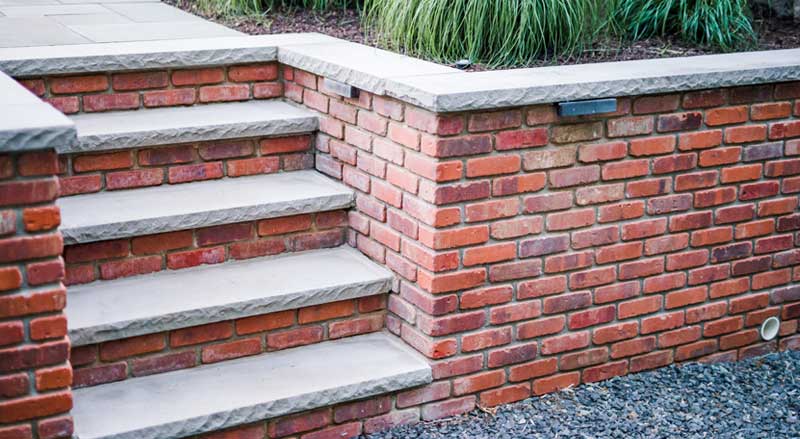
Any wall over a certain height (commonly 2–4 feet) typically requires a permit and engineering approval. Why? Because improperly constructed walls can:
French drains, dry wells, grading adjustments, and re-sloping can all require township review. Stormwater management is a primary enforcement focus in communities like Summit and Chatham.
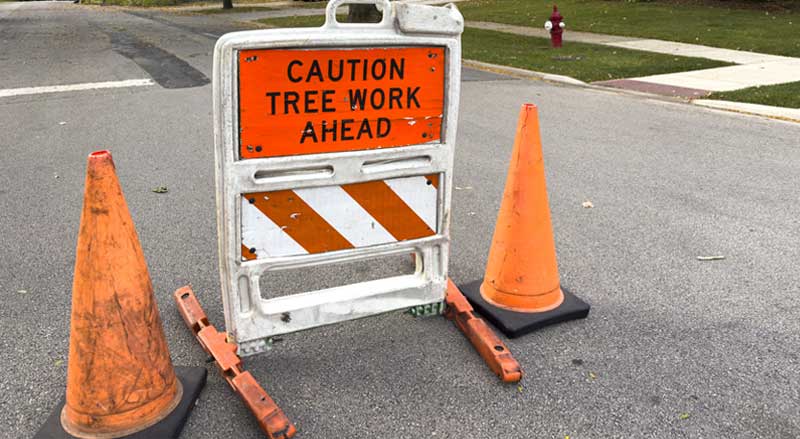
5. Tree Removal & Pruning
Livingston, Millburn/Short Hills, and Summit have strict tree preservation laws. Permits are often required when:
Removing healthy trees above a specific diameter
Reducing canopy size
Working near protected root zones
The Hidden Risks of Starting a Landscape Project Without Proper Permits
Homeowners sometimes assume they can “deal with permits later,” but the consequences can be significant.
Stop-Work Orders
If the town discovers unpermitted work, everything stops — immediately.
Fines & Penalties
Fees vary, but can add thousands to a project.
Mandatory Removal or Reconstruction
Towns can force homeowners to tear out patios, walkways, or retaining walls that violate zoning.
Delays in Home Sales
Unpermitted work becomes a problem during inspection and can derail closings.
Liability Issues
If something fails structurally and permits weren’t secured, insurance may not cover the damages.
Permits protect you — not the town. They ensure your investment is safe, legal, and thoroughly documented.
Navigating Local Rules: What Livingston, Short Hills, Chatham & Summit Expect
Each town maintains its own engineering, zoning, and permit requirements, but generally, homeowners can expect review in these categories:
Zoning / Engineering Review
To assess:
Setbacks
Lot coverage
Topographic changes
Drainage impact
Environmental considerations
Construction Permits (If Applicable)
For structures like:
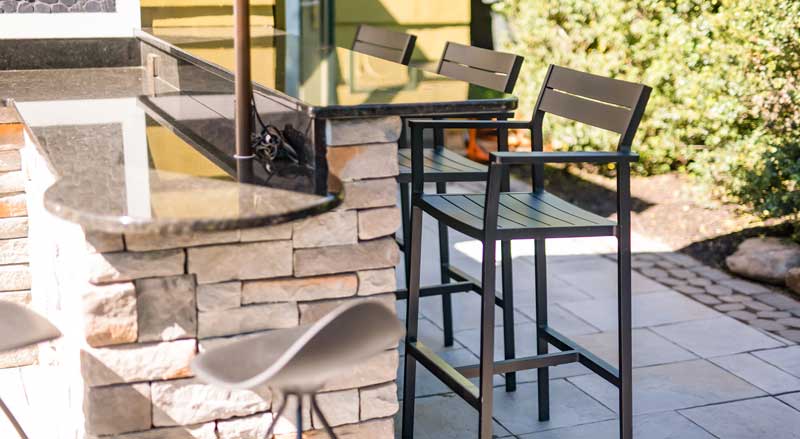
Outdoor kitchens
Masonry fireplaces
Large pergolas or pavilions
Tree & Environmental Compliance
Especially for mature canopy protection and protected species.
HOA Approval (If applicable)
Several neighborhoods in Short Hills and Chatham have additional HOA architectural boards.
This layered approach is why many homeowners choose a landscape contractor with local permitting experience.
Why Planning Early Leads to a Better Project Outcome
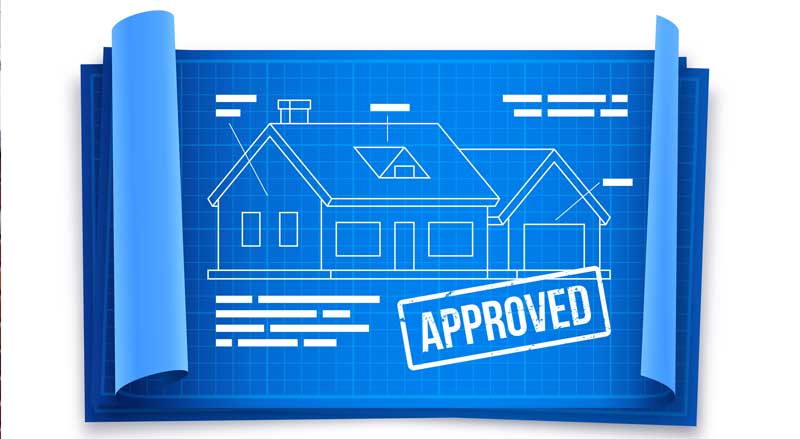
The best landscape projects begin well before construction.
Early Planning Helps You:
Lock in a realistic timeline
Budget accurately
Avoid interruption once work begins
Prevent engineering surprises
Ensure township approval aligns with your goals
Secure materials (which can have long lead times for premium stone, lighting, or masonry selections)
How Landscape Solutions Makes the Process Smooth & Compliant
Homeowners in Livingston, Short Hills, Chatham, Summit, and Westfield trust Landscape Solutions because our process removes uncertainty and keeps your project on track.
Our Permit-Ready Approach Includes:
A detailed site evaluation before design begins
Precise measurement of existing structures and coverage
Guidance on local regulations for your specific town
Collaborating with engineers when needed
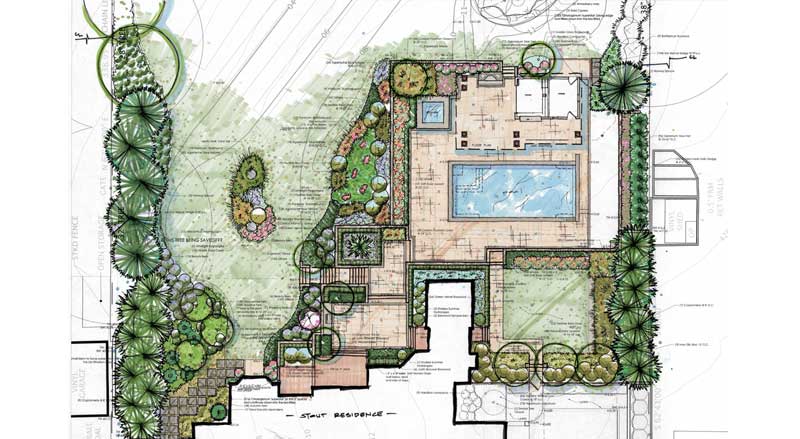
Preparing plans that satisfy township reviewers
Submitting required documents and shepherding approvals
Scheduling construction only after compliance is confirmed
The result: A beautiful, compliant landscape built with confidence — and without the stress of navigating municipal red tape alone.
Final Thoughts: A Better Project Starts With Better Preparation
Landscape transformations are exciting — but the most competent homeowners begin with planning, clarity, and compliance. In all the beautiful communities we work in, project standards are high, and property values are significant, so permit planning isn’t optional… It’s essential.
When you work with Landscape Solutions, you get a partner who understands the local requirements, anticipates obstacles, and delivers a seamless, stunning project from the first sketch to the final stone.
Serving Livingston, Short Hills, Chatham & Summit Let our team guide your landscape project from concept to compliance to completion. Contact us today.