February may feel like the quietest month for landscaping, but for homeowners who want the best results, it’s one of the most important times of the year. While spring and summer are when projects are built and enjoyed, late winter is when the smartest landscape projects actually begin—on paper.
If you’re considering a patio, walkway, outdoor living space, or a larger landscape renovation this year, planning early gives you more options, better timing, and fewer surprises once construction season begins.
Why February Is the Ideal Planning Month
In February, most homeowners aren’t rushing to break ground yet—but they are thinking ahead. That makes it the perfect time to:
Clarify your goals and priorities
Explore design options without pressure
Evaluate budgets realistically
Address site challenges before they become costly problems
By the time warmer weather arrives, contractors’ schedules fill quickly, material lead times extend, and rushed decisions become more likely. Starting the planning process now puts you in control.
Understanding the Landscape Design Timeline
One of the most common questions homeowners ask is, “How long does a landscaping or hardscape project actually take?” The answer depends on scope, but every successful project follows a similar timeline:
Initial Consultation & Site Evaluation This includes understanding how you use your space, what problems you want to solve, and what long-term goals you have for your property.
Conceptual Design & Layout Design isn’t just about looks—it’s about function, flow, scale, and how different elements work together.
Budget Alignment & Phasing Options Early planning enables smart decisions about what to do now versus what can be phased in later.
Engineering Considerations (Drainage & Grading) This step is often overlooked—but it’s critical.
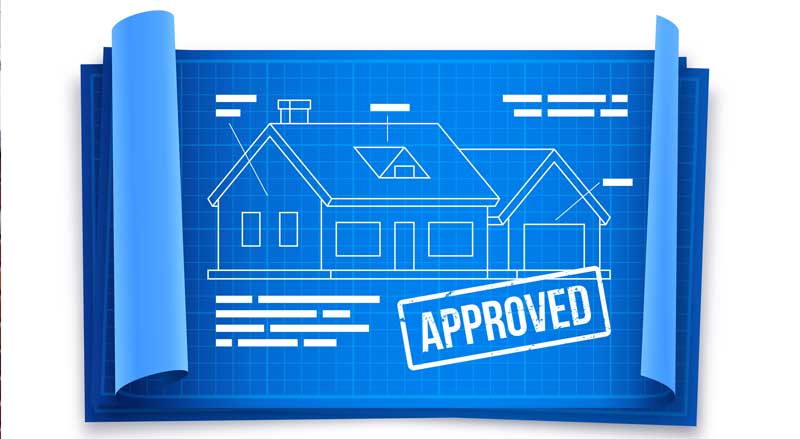
Scheduling & Permits Some projects require approvals that take time to process. Planning early avoids delays later.
February is when this process works best because there’s time to think, refine, and optimize—without seasonal pressure.
Why Drainage and Grading Should Be Addressed Early
Homeowners often focus on visible features like patios, planting beds, or outdoor kitchens—but what happens below and around those features matters just as much.
Drainage and grading are not “add-ons.” They are foundational elements of good landscape design.
When these issues are addressed during the planning stage, they can often be integrated seamlessly into the overall design. When they’re ignored, they tend to surface later as problems.
Common Drainage & Grading Issues Homeowners Face
Standing water after rain
Water pooling near foundations or patios
Erosion on slopes or along walkways
Soggy lawns that never fully recover
These problems don’t fix themselves—and installing hardscape or planting without addressing them can actually make things worse.
Planning First Saves Time and Money
By evaluating drainage and grading early:
Patio elevations can be designed correctly
Walkways can be sloped naturally for runoff
Planting areas can be placed where soil conditions are healthiest
Water can be directed away from structures and high-use areas
This proactive approach protects your investment and prevents costly revisions later.
The Best Time to Plan a Patio or Hardscape Project
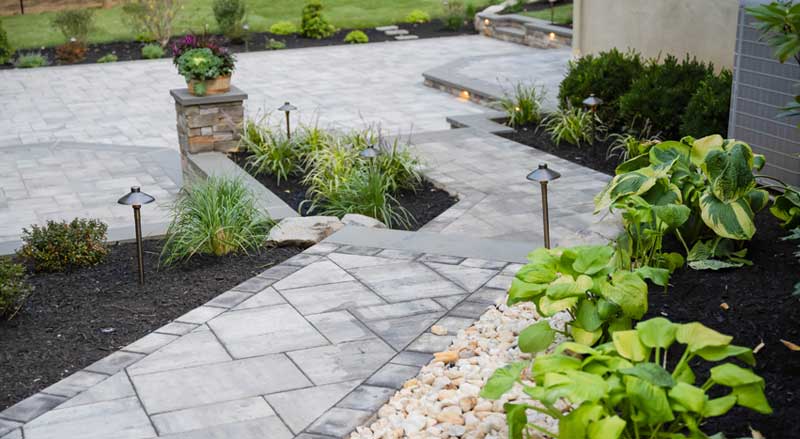
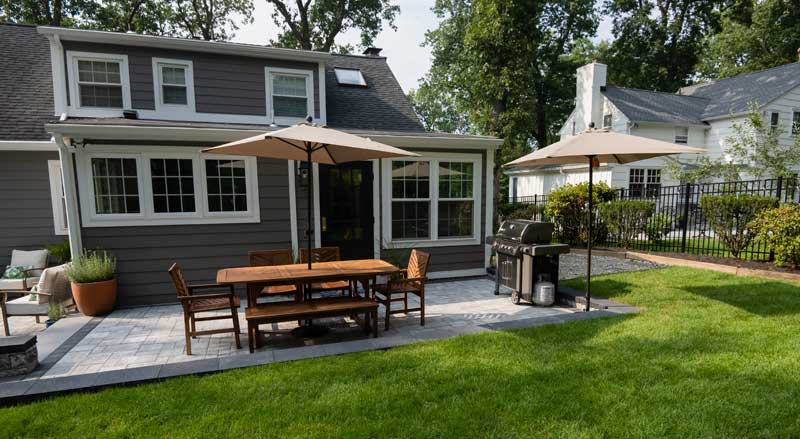
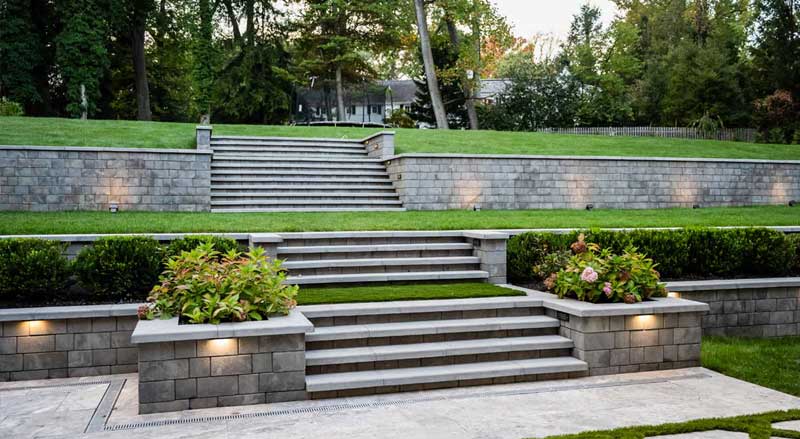
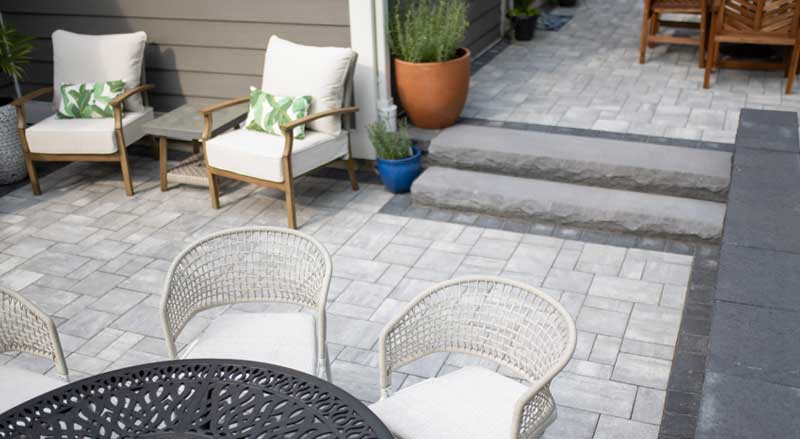
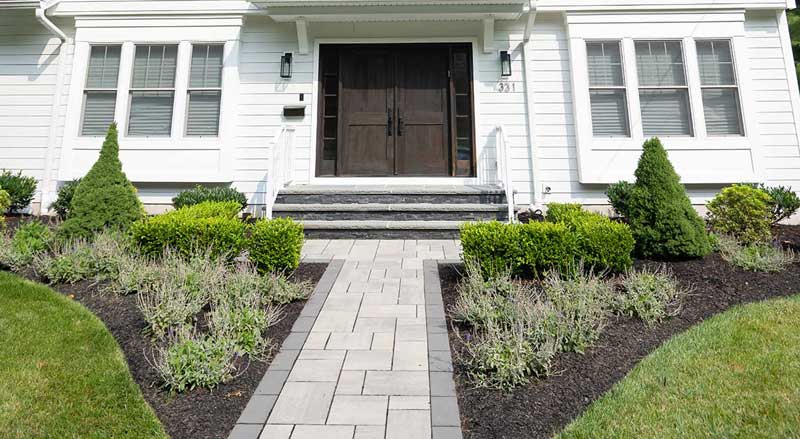
If a new patio, walkway, retaining wall, or outdoor living space is on your wish list, February is an excellent time to start planning your hardscaping project.
Early planning allows you to:
Choose materials without supply pressure
Explore layout options that maximize usable space
Coordinate hardscape elements with planting and lighting
Secure a spot on the construction calendar before peak season
Waiting until late spring often limits options and forces compromises. Planning now keeps your project intentional instead of reactive.
Budgeting Without Guesswork
Another advantage of planning in February is clearer budgeting. When projects are rushed, budgets tend to grow unexpectedly. Early design work helps define:
Project scope
Material selections
Phasing opportunities
Long-term maintenance considerations
This transparency allows homeowners to make informed decisions—and avoids the frustration of mid-project changes.
Why Design Consultations Matter More Than Ever
Landscaping today is more complex than it was years ago. Outdoor spaces now serve multiple purposes: entertaining, relaxing, playing, and even working from home.
A professional design consultation helps ensure that:
The space works for how you actually live
Design elements complement the architecture of your home
Practical concerns like drainage, grading, and access are addressed
The finished project feels cohesive, not pieced together
February is ideal for these conversations because there’s time to think strategically rather than react to the season.
By beginning the process in February, homeowners give themselves:
More design flexibility
Better scheduling options
Fewer surprises
Stronger long-term results
When spring arrives, the groundwork—both figuratively and literally—is already in place.
Final Thoughts
If you’re considering a landscaping or hardscape project this year, February is not too early—it’s right on time. Thoughtful planning now leads to smoother execution later and a finished landscape that performs as beautifully as it looks.
Starting early means building smarter—and enjoying your outdoor space with confidence.